

From 2026 onwards, buyers, regulators and investors are asking a more direct question about sustainability. Not just how much carbon your organisation emits, but how much carbon do each of your products emit.
Organisational carbon footprints are no longer enough. Increasingly, procurement teams, large corporates, and public sector buyers want product-level emissions data that demonstrates the environmental impact of specific goods and services.
This is where Product Carbon Footprints come in.
For organisations supplying products to the public sector, healthcare providers or large corporate supply chain, PCFs are quickly moving from a ‘nice-to-have’ to a procurement expectation.
The reality is simple; suppliers that can provide credible product-level data will increasingly stand out, while those that cannot, may struggle to compete.
What is a Product Carbon Footprint?
A PCF measures the greenhouse gas emissions associated with a specific product across its lifecycle. This typically includes emissions from:
- Raw material extraction
- Manufacturing and processing
- Transport and distribution
- Product use
- End-of-life disposal or recycling
PCFs are generally calculated using internationally recognised methodologies such as the Greenhouse Gas Protocol and standards including ISO 14067.
Unlike corporate carbon footprints, which measure emissions at an organisational level, PCFs provide granular insight into the environmental impact of individual products, which is exactly the level of detail that stakeholder are beginning to demand this year.

Why Product Carbon Footprints Matter More in 2026?
Procurement Demands:
Public sector organisations and large corporations are increasingly incorporating sustainability into procurement decisions. In many cases, they want evidence of product emissions, not just company-wide commitments.
For suppliers, this means environmental performance can directly influence contract awards.
If you cannot demonstrate the carbon impact of your products, you risk falling behind competitors who can.
Sustainability Reporting is Becoming More Detailed:
Emerging frameworks such as the UK Sustainability Reporting Standards (SRS) are pushing organisations to understand and disclose climate-related risks and emissions drivers in greater detail.
Product-level emissions data helps organisations identify carbon hotspots, improve product design, and demonstrate meaningful progress toward Net Zero.

The Challenges Many Businesses Face
While the demand for Product Carbon Footprints is increasing, many organisations find the process difficult. The most common challenges faced by businesses who are managing their carbon compliance without the right support are:
- Collecting reliable data
- Managing large numbers of product variants
- Ensuring calculations align with recognised standards
- Producing documentation that stands up to procurement scrutiny
Without the right systems and expertise, product carbon footprinting can become complex, expensive and time consuming.

What Our Experts Say
Product Carbon Footprints are rapidly becoming a requirement across procurement and supply chains this year. Organisations are increasingly being asked to provide product-level emissions data to support Scope 3 reporting, sustainability disclosures and tender requirements.
Our experts recommend acting early. Organisations that establish credible, defensible Product Carbon Footprints now will be far better positioned when customers and procurement teams being asking for evidence.
How Enistic Can Help You
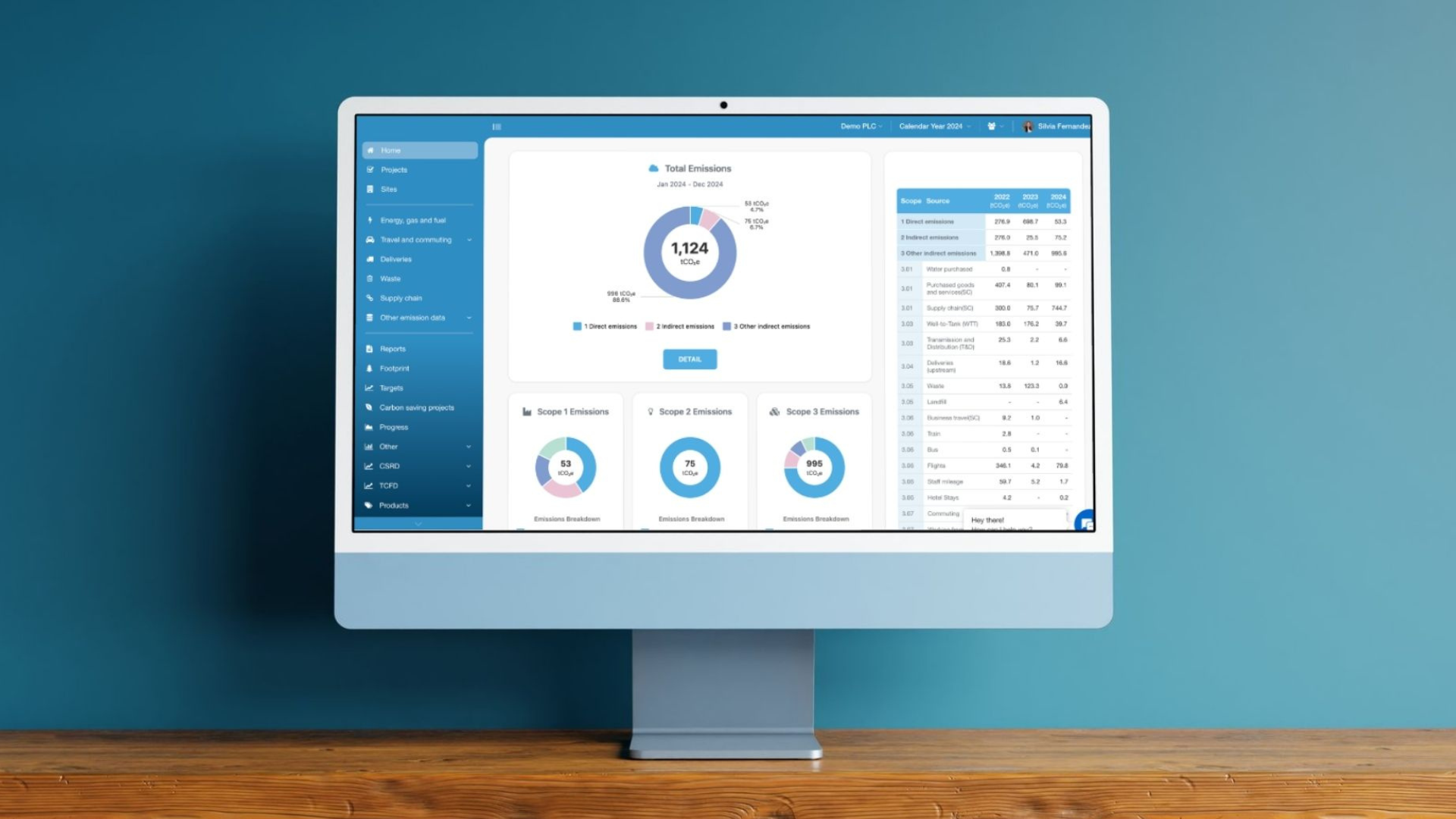
At Enistic, we make Product Carbon Footprinting simple, scalable, and commercially practical. Our AI-driven platform and expert consultancy allow organisations to model entire product families efficiently, producing procurement-ready results with clear data traceability.
With over 5,000 compliant sustainability reports delivered since 2002 and a simple monthly payment with no hidden costs, we remove the complexity from carbon compliance, helping you to stay ahead of procurement expectations and confidently demonstrate the carbon impact of their products.
Speak to our expert team and get started today.